Creating a Spam Classifier Model with NLP and Naive Bayes

Introduction

Have you ever had an email you needed end up in your spam folder? Or too much spam getting into your inbox?

This is a problem that almost everyone faces. Based on this simple spam classifier model example, you’ll be able to see why this problem exists. Most spam classifiers simply take into account what words appear in the email and how many times they appear. Spam creators have gotten clever to add hidden words that will trick a classifier.

To better understand a simple classifier model, I’ll show you how to make one using Natural Language Processing (NLP) and a Multinomial Naive Bayes classification model in Python.

Loading Data

I got my dataset from the UCI Machine Learning Repository. This dataset includes messages that are labeled as spam or ham (not spam).

To begin, start by importing some necessary packages:

import pandas as pd
import numpy as np
import matplotlib.pyplot as plt
from sklearn.model_selection import train_test_split

and load in your data:

df = pd.read_csv('smsspamcollection/SMSSpamCollection.txt', sep = '\t', header = None)
df.columns = ['label', 'text']

and previewing your DataFrame:

df.head()

You should see the following table:

Data Visualization

Let’s start by looking at our data in Word Clouds based on spam or not spam (ham). First import more useful packages:

from nltk.corpus import stopwords
from nltk.tokenize import word_tokenize
from nltk.stem import PorterStemmer
from wordcloud import WordCloud
import string

Now create the spam word cloud:

spamwords = ' '.join(list(df[df.label == 'spam']['text']))
spam_wc = WordCloud(width = 800, height = 512, max_words = 100, random_state = 14).generate(spamwords)
plt.figure(figsize = (10, 6), facecolor = 'white')
plt.imshow(spam_wc)
plt.axis('off')
plt.title('Spam Wordcloud', fontsize = 20)
plt.tight_layout()
plt.show()

and now create the ham word cloud:

hamwords = ' '.join(list(df[df.label == 'ham']['text']))
ham_wc = WordCloud(width = 800, height = 512, max_words = 100, random_state = 14).generate(hamwords)
plt.figure(figsize = (10, 6), facecolor = 'white')
plt.imshow(ham_wc)
plt.axis('off')
plt.title('Ham Wordcloud', fontsize = 20)
plt.tight_layout()
plt.show()

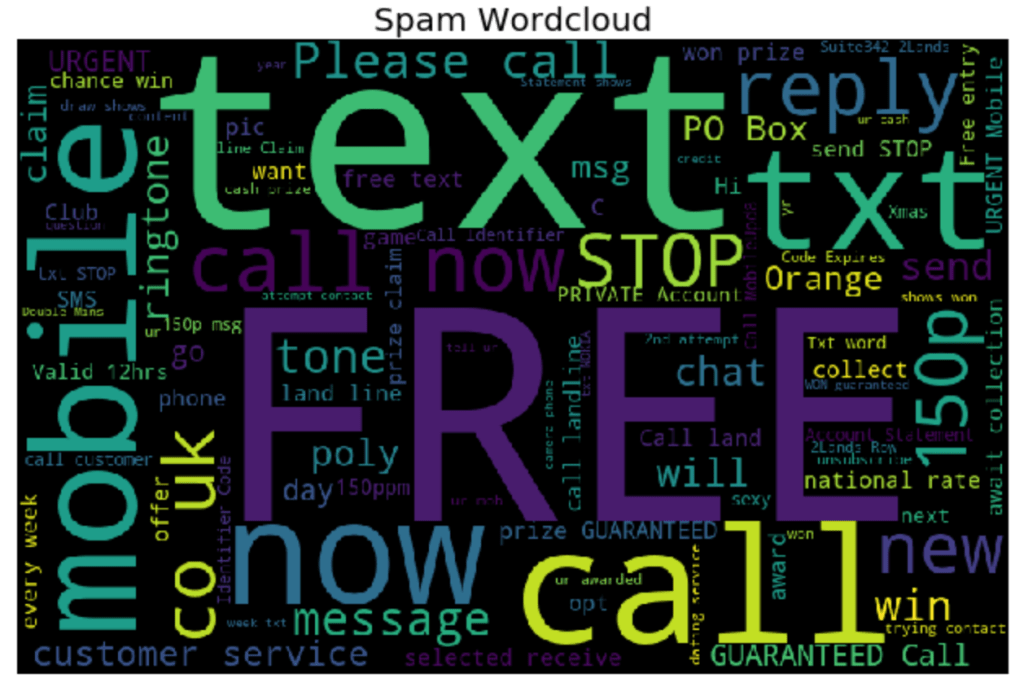
You should get the following two word clouds if you use the same random_state:
Text Preprocessing

Now we’ll have to create a text preprocessing function that we will use later on in our CountVectorizer function. This function will standardize words (lowercase, remove punctuation), generate word tokens, remove stop words (words that have no descriptive meaning), create bigrams (combination of two words i.e. "not good"), and find the stem of each word.

def message_processor(message, bigrams = True):
    
    # Make all words lowercase
    message = message.lower()
    
    # Remove punctuation
    punc = set(string.punctuation)
    message = ''.join(ch for ch in message if ch not in punc)
    
    # Generate word tokens
    message_words = word_tokenize(message)
    message_words = [word for word in message_words if len(word) >= 3]
    
    # Remove stopwords
    message_words = [word for word in message_words if word not in stopwords.words('english')]
    
    # Create bigrams
    # Add grams to word list
    if bigrams == True:
        gram_words = []
        for i in range(len(message_words) + 1):
            gram_words += [' '.join(message_words[i:(i + 2)])]
    
    # Stem words
    stemmer = PorterStemmer()
    message_words = [stemmer.stem(word) for word in message_words if (len(word.split(' ')) == 1)]
    
    # Add grams back to list
    if bigrams == True:
        message_words += gram_words
    
    return message_words[:-1]

Now use CountVectorizer to create a sparse matrix of every word that is in the dataset after applying the text processing function created above:

from sklearn.feature_extraction.text import CountVectorizer
X_vectorized = CountVectorizer(analyzer = message_processor).fit_transform(df.text)

Train Test Split

Now the data needs to be split into train and test sets for fitting and evaluating the model. I’ve chosen to set aside 20% of the data for testing and have used a random_state for reproducibility.

X_train, X_test, y_train, y_test = train_test_split(X_vectorized, df.label, test_size = .20, random_state = 72)

Fitting the Naive Bayes Model

Now it’s time to fit the spam classifier model. In this case I will be using a Multinomial Naive Bayes. The Naive Bayes model in this case is looking at the probability of a message being spam given a certain word shows up in the message. Looking back to the generated word clouds, a message with the word "FREE" will have a high probability of being spam.

from sklearn.naive_bayes import MultinomialNB
MNB_Classifier = MultinomialNB()
model = MNB_Classifier.fit(X_train, y_train)
y_hat_test = MNB_Classifier.predict(X_test)

Evaluating the Model

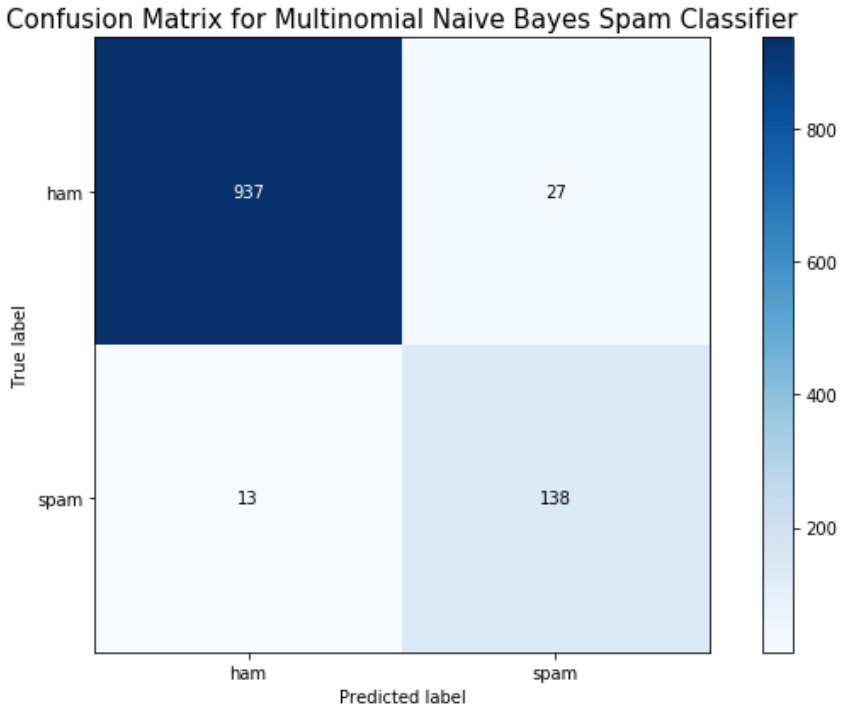
Finally, we can evaluate the model by looking at the classification report, accuracy, and a confusion matrix.

from sklearn.metrics import classification_report, confusion_matrix, accuracy_score, precision_score, recall_score, f1_score
print(classification_report(y_test, y_hat_test))
print('Accuracy: ', accuracy_score(y_test, y_hat_test))
import scikitplot as skplt
skplt.metrics.plot_confusion_matrix(y_test, y_hat_test, figsize = (9,6))
plt.ylim([1.5, -.5])
plt.title('Confusion Matrix for Multinomial Naive Bayes Spam Classifier', fontsize = 15)
plt.tight_layout()
plt.show()
Conclusion

We can see here that a Naive Bayes model works very well as a spam classifier. This is a very simple spam classifier, yet it still gets high metrics. However, the model is exposed to spammers who think a little more creatively. If a spammer was to include a lot of words (maybe even just hidden in the background) that typically appear in non spam messages, it could trick the model.

Predicting Drug Use with Logistic Regression

Introduction

This project began as a search for classification problems to tackle. I wanted to put my classification algorithm skills to the test, but wasn’t sure what data to use for this. Luckily, after digging around on the internet for a while, I came across the UC Irvine Machine Learning Data Repository. This repository has loads of datasets and even has a feature, "Default Task", that you can toggle in order to find the common machine learning task that would be applied to a given dataset. When looking through the Classification datasets I found a dataset regarding drug use that looked interesting. The dataset was originally collected by Elaine Fehrman, Vincent Egan, and Evgeny M. Mirkes in 2015.

This dataset provides 1885 data rows, each of which represents a person. Each person has a set of demographic and personality traits alongside a set of drug use responses. Data features included things like age, ethnicity, education level, country, extraversion score, openness to new experiences score, etc… The dataset looks at 17 common drugs (including chocolate??) and how recently someone has used each of the drugs. I decided to make drug use a binary outcome by grouping no usage ever and usage over a decade ago into "non user" and all other outcomes into "user", meaning that the person has used the drug within the last decade.

At this point I decided I would use Logistic Regression to predict whether or not a person was a user of each of the 17 drugs given in the dataset. This model information could help to determine which types of people are more susceptible to certain types of drug use given their personality type and demographic traits. This information could then be used to give treatment and assistance to those who require it.

ETL

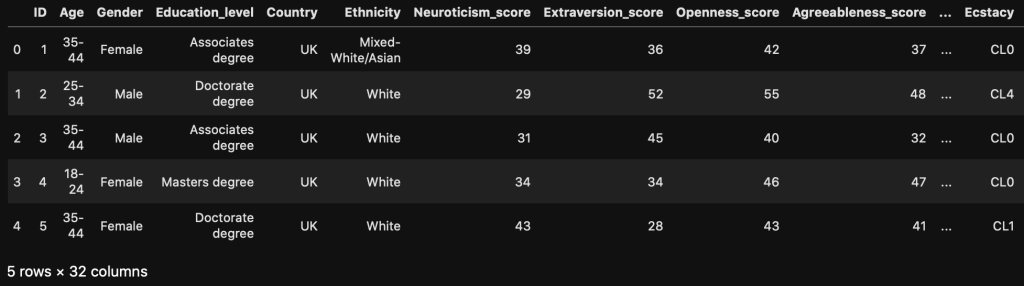
After importing the necessary libraries and loading in the dataset into a Pandas DataFrame, the raw data looks like this:

You can see that the data comes in a very weird format, but luckily there are descriptions on the data webpage. Using these descriptions, I transformed the data into a more coherent DataFrame.

Dummy Variables and Checks for Multicollinearity

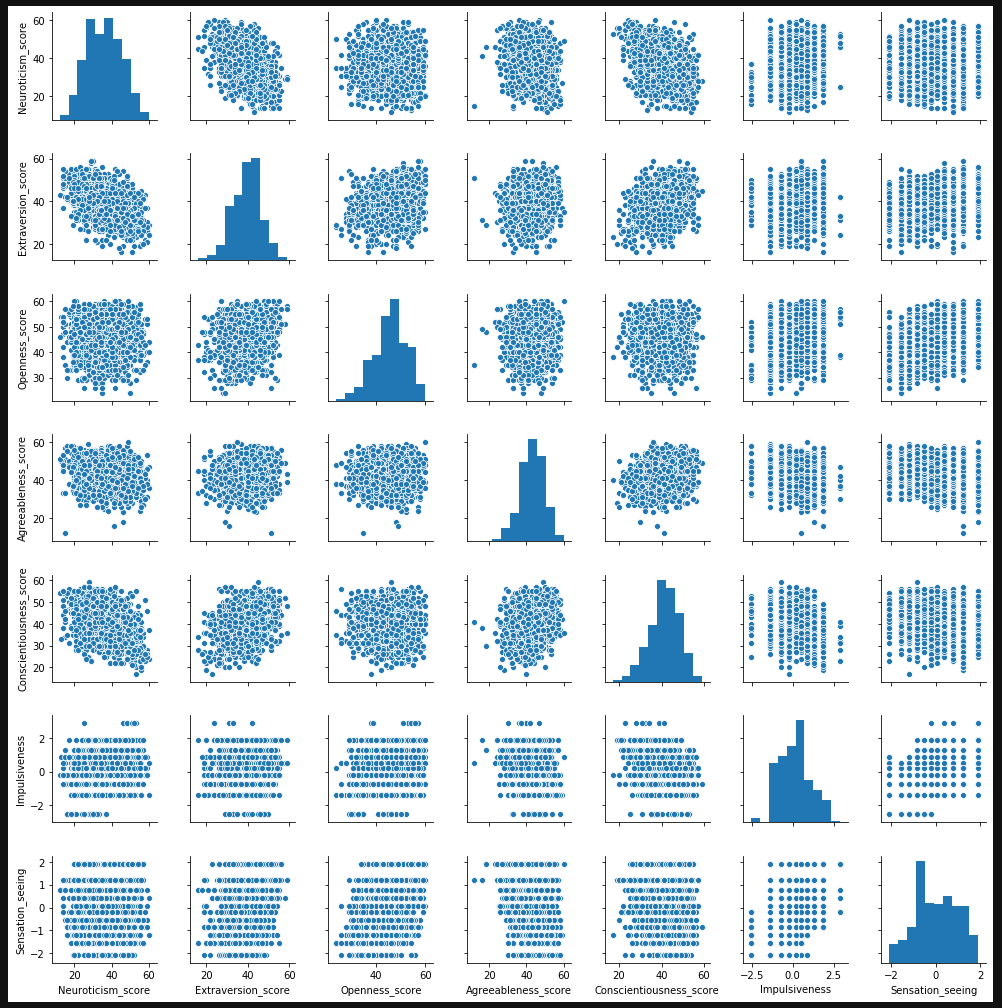
After getting the data into a useful format, I needed to deal with my categorical variables. I fit dummy variables to all of them and made sure to drop one of the resulting columns. I also needed to check if any of my numeric features had multicollinearity. As you can see in the seaborn pairplot below, the only two metrics that appear to have any multicollinearity are neuroticism and extraversion, but the correlation level is below .75, so I kept both scores in the DataFrame.

DataFrame Splitting

After a little more data manipulation (changing the column order), I needed to create separate DataFrames for each drug. I decided to store each of these in a dictionary, with each key being a name for the drug DataFrame and the value being the corresponding DataFrame. This was accomplished with the chunk of code below:

Note: The above portion of the code with df.iloc[:, :34] isolates the portion of the DataFrame corresponding to the features. After column 34 are the binary drug use columns.

Helper Functions for Model Fitting

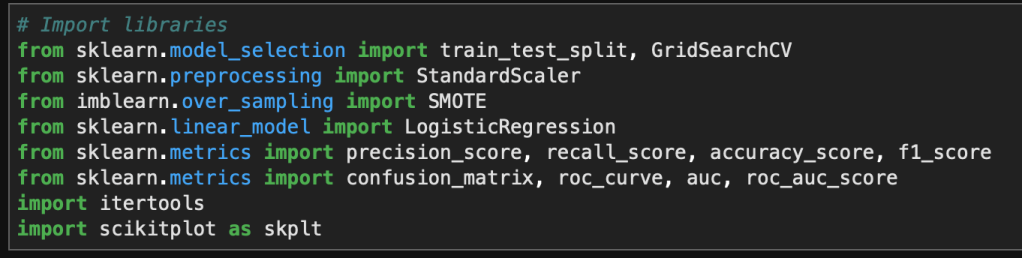
First things first, I need to import the proper libraries and functions for all the tools I’ll need for my Logistic Regression process.

A quick note on the scikitplot library. This library has many awesome functions for calculating metrics and plotting them in one step. You’ll see a use of this for confusion matrices later on.

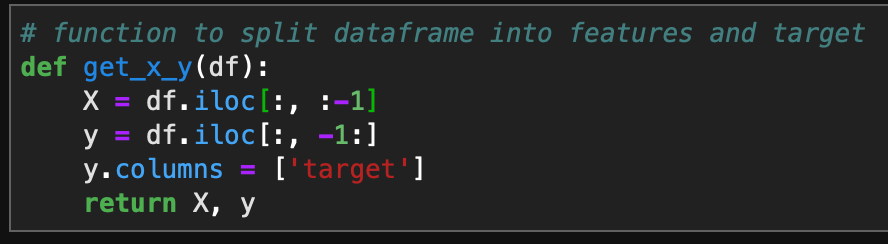
In order to loop through my new dictionary and fit a Logistic Regression model to each DataFrame, I needed to define a few helper functions. The first function will split the DataFrame into the features and the target, X and y respectively.

The next helper function will perform standard scaling on my numeric features after I have performed a train/test split on my data.

An additional helper function I wrote performs SMOTE on the datasets. Many of the drug user datasets are very unbalanced, so in order to train my model on a balanced dataset, I need to use SMOTE to synthetically create training data points for my minority class. This function is created below.

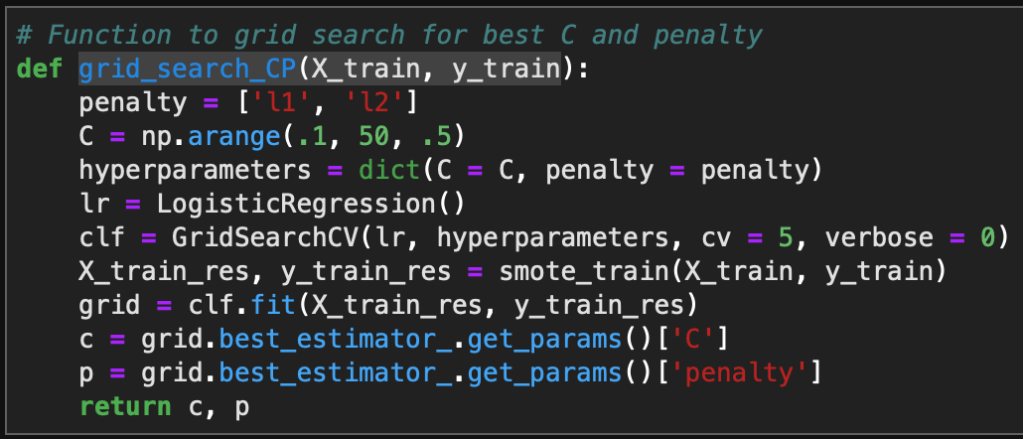
Another useful step in Logistic Regression is using a grid search for the best performing hyperparameters C and Penalty type. These control regularization of the models and this function will output the optimized hyperparameters for each drug use model.

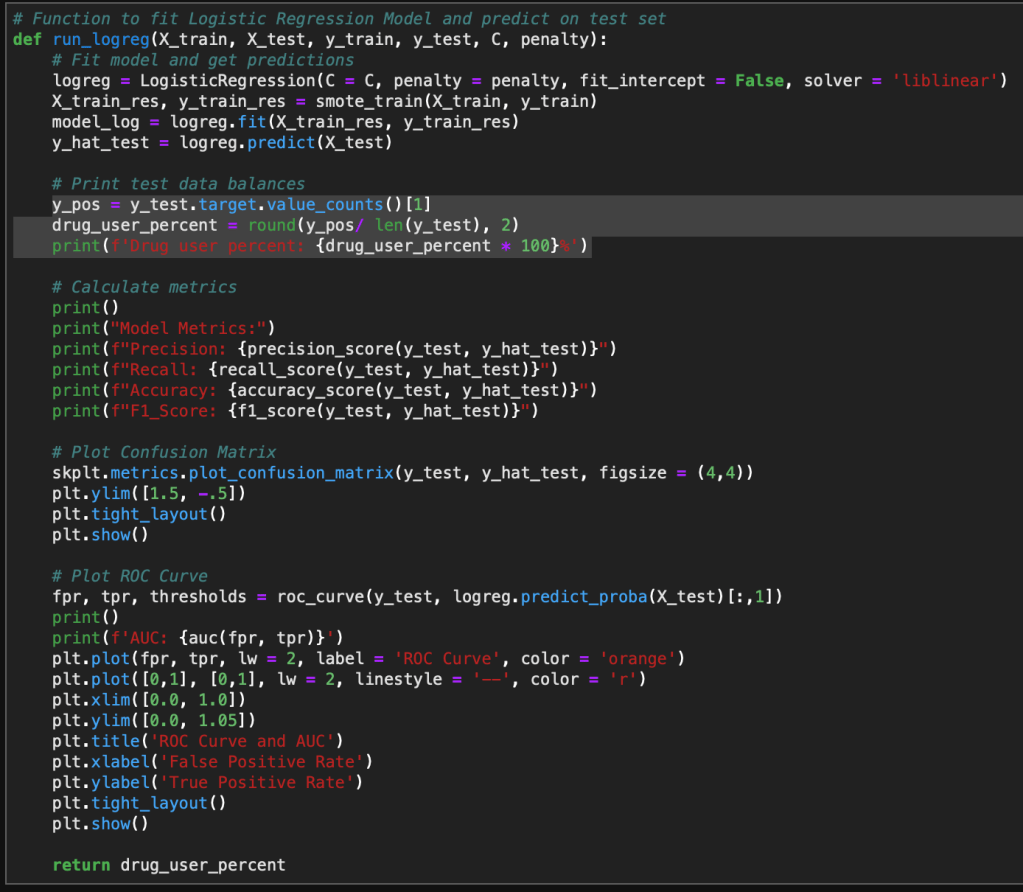
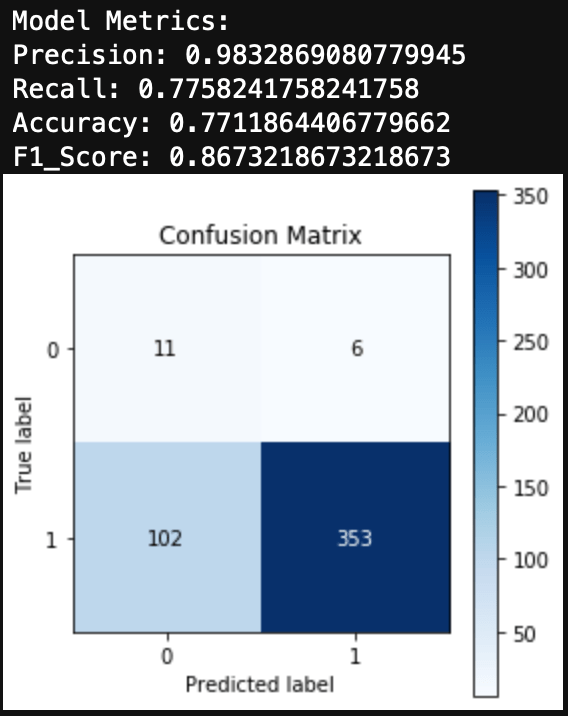
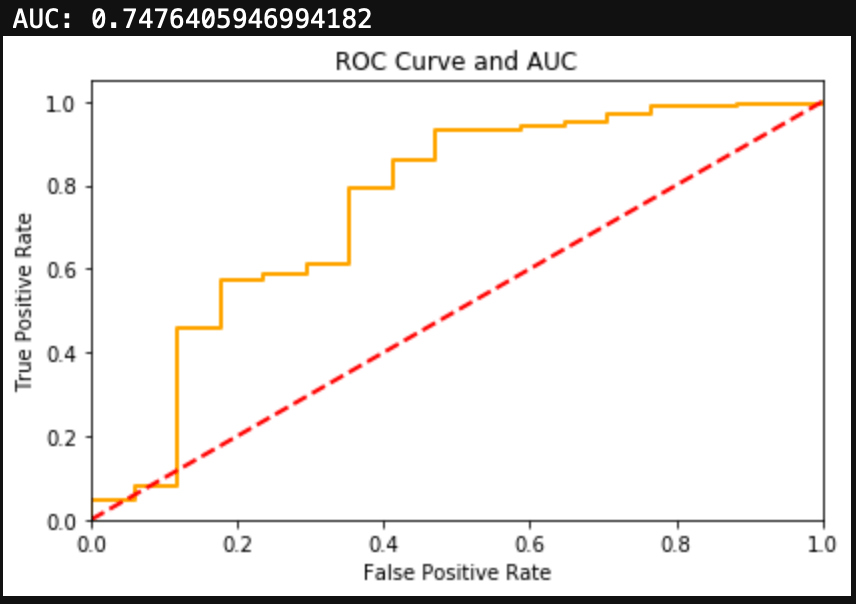
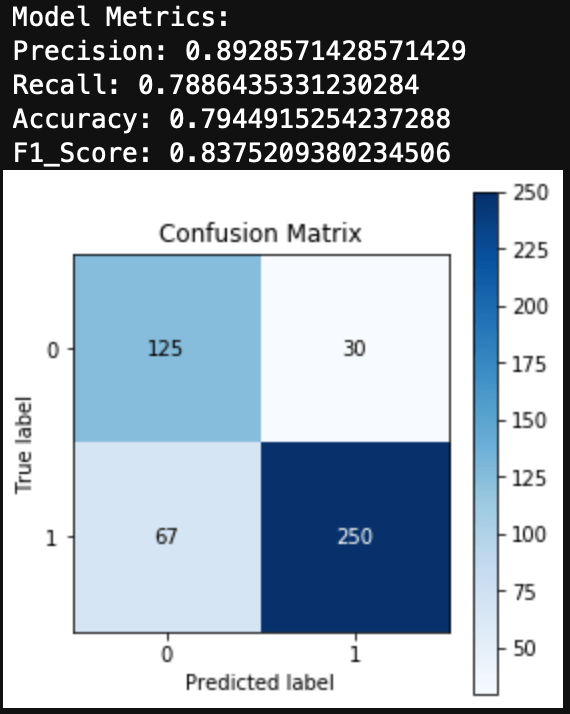
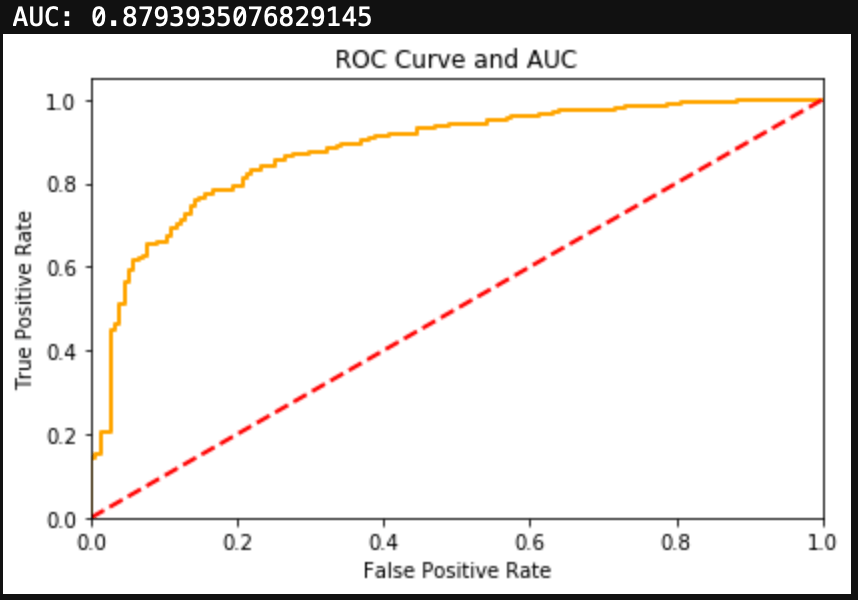
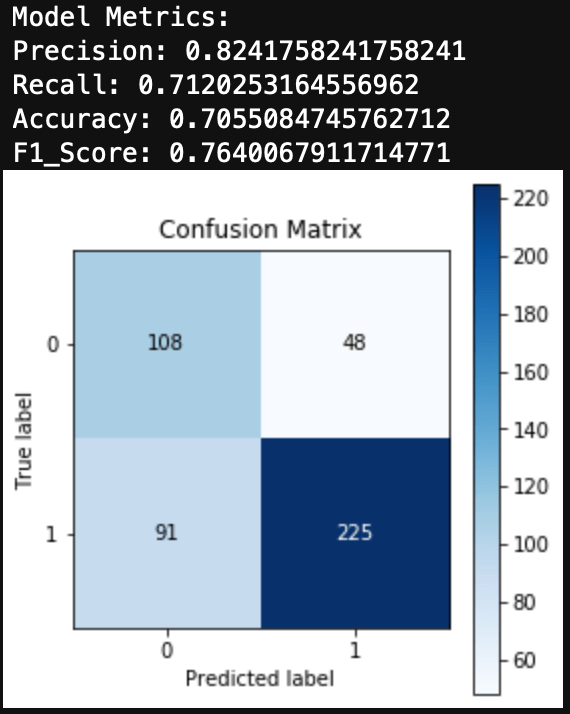
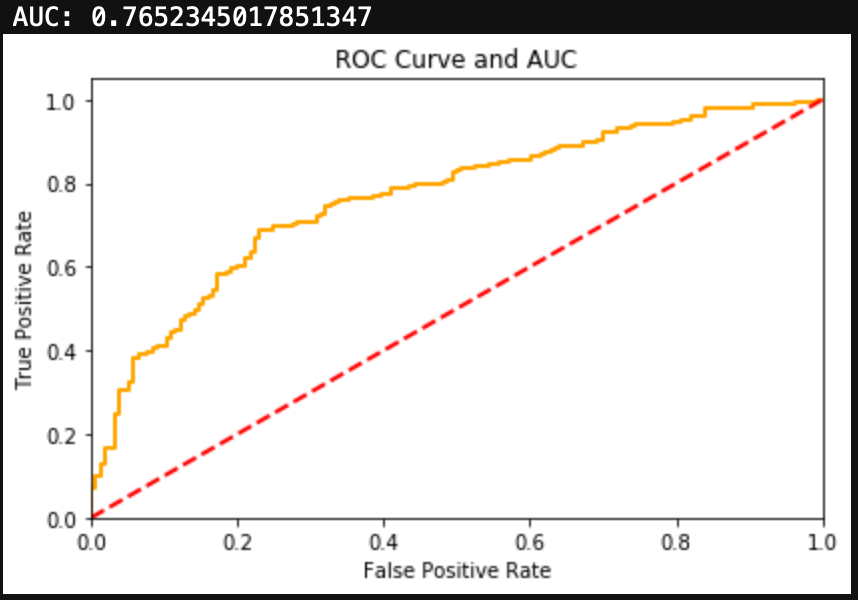
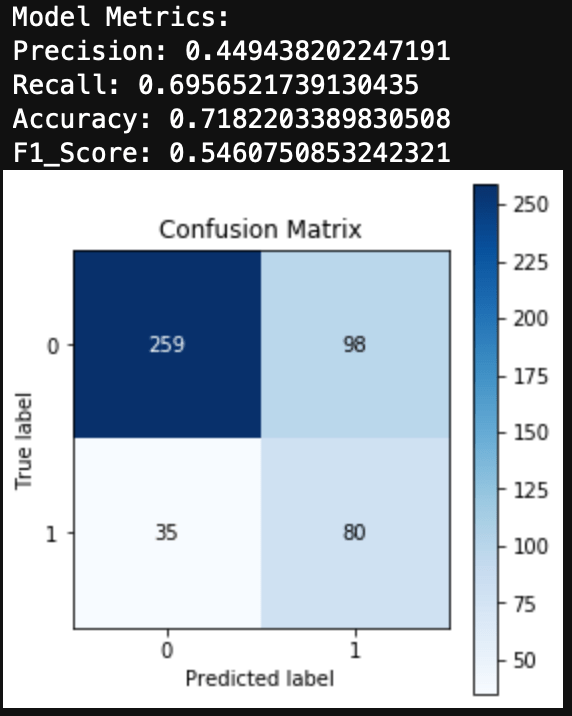
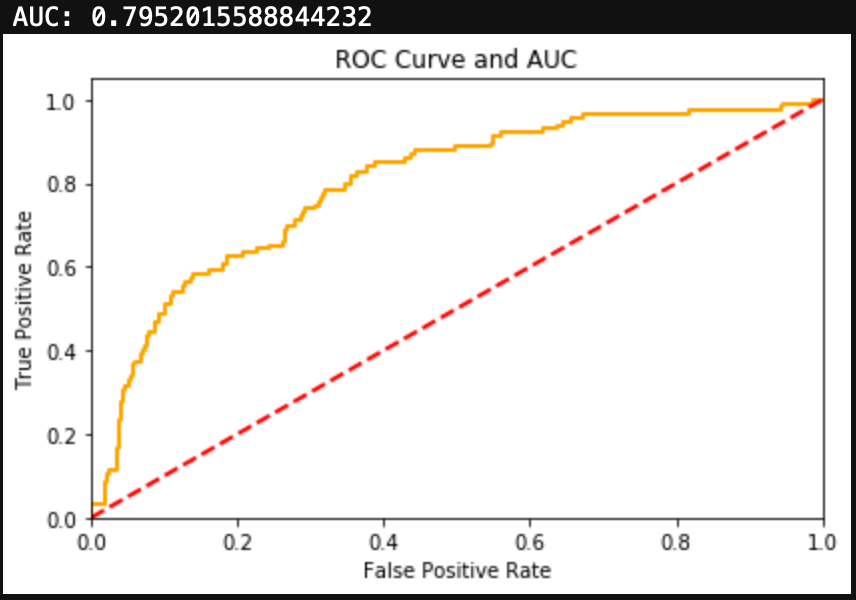
Finally, one last helper function. This is the function that actually fits the Logistic Regression model and creates output metrics and visualizations. This model takes in the train/test split data and the optimized hyperparameters C and Penalty type. The function when applied will create visualizations for the confusion matrix and ROC Curve. It also outputs the test sample’s class balance, which helps to inform how the test data is distributed.

Fitting the Model

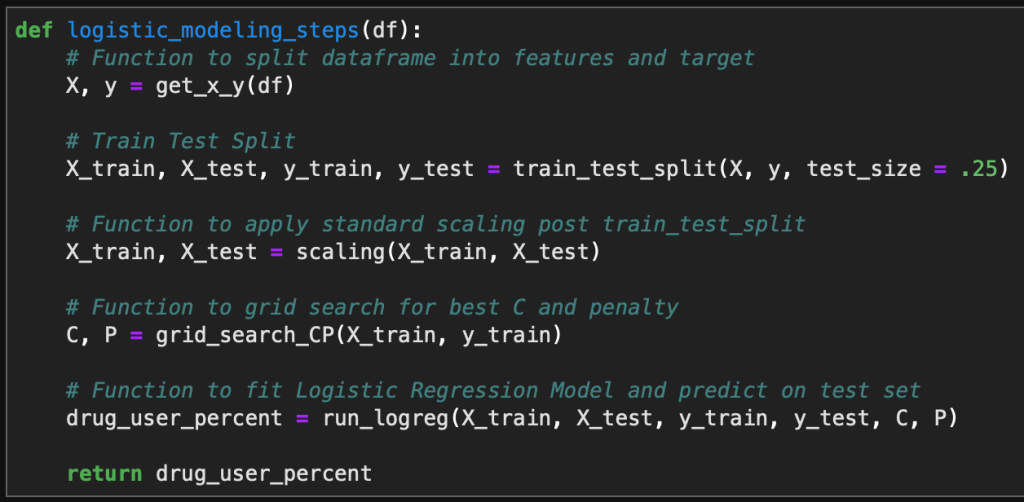
Finally, it is time to fit all of the models and view the results. I wrote one last function which combines all of the above functions into one simple function that can be applied to a single DataFrame.

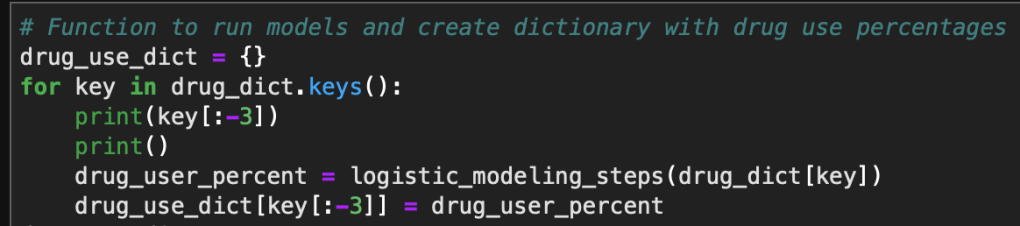
This function is then applied to each DataFrame in my previously created dictionary with a for loop to generate all of the necessary model results and visualizations.

Results

As there were 17 different drugs in question, I will only highlight a few of the results below. The Logistic Regression model performed well in most cases, although those with extremely unbalanced datasets performed slightly worse despite the use of SMOTE to balance the training sets.

Alcohol

Alcohol had an extremely unbalanced dataset. You can see that 96% of the test group had used alcohol. Alcohol did produce a large number of false negatives, however the F1 Score and AUC metrics signaled that this was a decent model.

Cannabis

Cannabis had a more balanced dataset than alcohol, with 67% of the test group having used the drug. The Logistic Regression for Cannabis use was able to generate both a high F1 Score and high AUC.

Nicotine

Nicotine also had a more balanced dataset than alcohol, with 67% of the test group having used Nicotine. Similarly to Cannabis, the Logistic Regression model for Nicotine was able to produce both a high F1 Score and a high AUC.

Meth

Finally, I’ll look at a drug that has an unbalanced dataset in the other direction. Obviously not a ton of people use Meth, although more than I imagined, with 24% of the test group having used Meth before. The Logistic Regression for Meth use produced a fair amount of false positives. Additionally the metrics and F1 Score are fairly low. The ROC Curve and AUC show decent results, but in the case of an unbalanced dataset, I would trust F1 Score over AUC.

Conclusions

I was able to fit a Logistic Regression model to each of the drug use DataFrames, however for some of the drugs, Logistic Regression may not be the best choice classifier model. Since a lot of the datasets are unbalanced, this did cause some issues with the metrics.

Overall, the results were very good and could help to inform us about an individual’s drug use given information about their demographic traits and personality traits.

Just for Curiosity

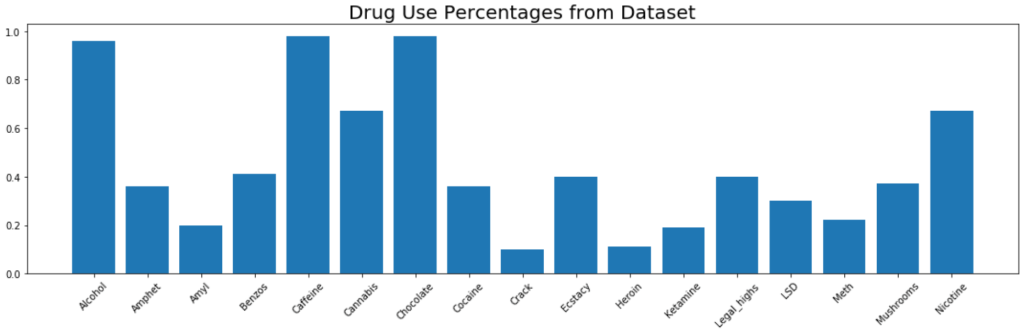
Here is a bar chart of drug use percentage for all 1885 people in the dataset.

Global Clean Energy Maps

Maps Using Plotly.Express

Blog Background

I came across a dataset that I thought would be very interesting on the Kaggle Datasets webpage. This dataset includes UN Data about International Energy Statistics. After looking through the dataset a bit with some typical ETL processes, I decided I would compare "clean" and "dirty" energy production in countries across the globe.

ETL

import numpy as np
import pandas as pd
import matplotlib.pyplot as plt
%matplotlib inline

df = pd.read_csv('all_energy_statistics.csv')

df.columns = ['country','commodity','year','unit','quantity','footnotes','category']
elec_df = df[df.commodity.str.contains
                  ('Electricity - total net installed capacity of electric power plants')]

Next Steps

I began by adding up all of the "clean" energy sources, which in this case included (solar, wind, nuclear, hydro, geothermal, and tidal/wave). I created a function to classify the energy types:

def energy_classifier(x):
    label = None
    c = 'Electricity - total net installed capacity of electric power plants, '
    if x == c + 'main activity & autoproducer' or x == c + 'main activity' or x == c + 'autoproducer':
        label = 'drop'
    elif x == c + 'combustible fuels':
        label = 'dirty'
    else:
        label = 'clean'
    return label

Next, I applied this function and dropped the unnecessary rows in the dataset.

elec_df['Energy_Type'] = elec_df.commodity.apply(lambda x: energy_classifier(x))
drop_indexes = elec_df[elec_df.Energy_Type == 'drop'].index
elec_df.drop(drop_indexes, inplace = True)

To follow, I pivoted the data into a more useful layout with a sum of energy production for clean and dirty energy.

clean_vs_dirty = elec_df.pivot_table(values = 'quantity', index = ['country', 'year'], columns = 'Energy_Type', aggfunc = 'sum', fill_value = 0)

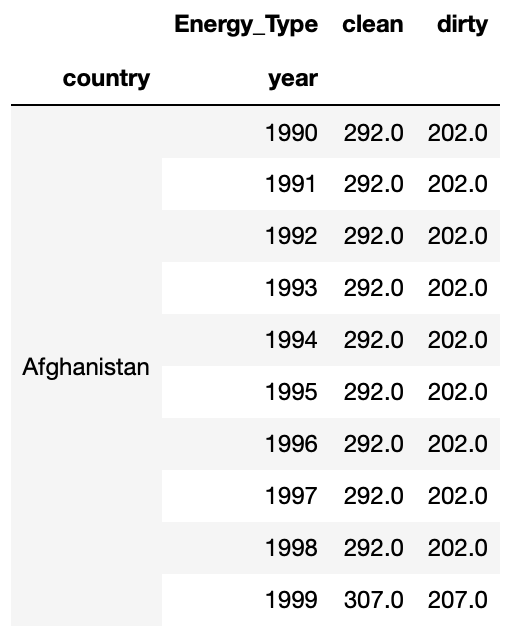
At this point my data looked like this:

Mapping Prepwork

For simplicity sake, I decided to add a marker of 1 if a country produced more clean energy than dirty energy (otherwise 0). This was accomplished with the following function and application:

def map_marker(df):
    marker = 0
    if df.clean >= df.dirty:
        marker = 1
    else:
        marker = 0
    return marker

clean_vs_dirty['map_marker'] = (clean_vs_dirty.clean >= clean_vs_dirty.dirty)*1

Next, I needed to add the proper codes for the countries that would correspond to mapping codes. I used the Alpha 3 Codes, which can be found here. I imported these codes as a dictionary and applied them to my Dataframe with the following code:

#The following line gives me the country name for every row
clean_vs_dirty.reset_index(inplace = True)

df_codes = pd.DataFrame(clean_vs_dirty.country.transform(lambda x: dict_alpha3[x]))
df_codes.columns = ['alpha3']
clean_vs_dirty['alpha3'] = df_codes

Great! Now I’m ready to map!

Mapping

I wanted to use a cool package I found called plotly.express. It is an easy way to create quick maps. I started with the 2014 map, which I accomplished with the following python code:

clean_vs_dirty_2014 = clean_vs_dirty[clean_vs_dirty.year == 2014]

import plotly.express as px
    
fig = px.choropleth(clean_vs_dirty_2014, locations="alpha3", color="map_marker", hover_name="country", color_continuous_scale='blackbody', title = 'Clean vs Dirty Energy Countries')
fig.show()

This code produced the following map, where blue shaded countries produce more clean energy than dirty energy and black shaded countries produce more energy through dirty sources than clean sources:

You can see here that many major countries, such as the US, China, and Russia were still producing more dirty energy than clean energy in 2014.

Year by Year Maps

As a fun next step, I decided to create a slider using the ipywidgets package to be able to cycle through the years of maps for energy production data. With the following code (and a little manual gif creation at the end) I was able to create the gif map output below, which shows how the countries have changed from 1992 to 2014.

def world_map(input_year):
    
    fig = px.choropleth(clean_vs_dirty[clean_vs_dirty.year == input_year], locations="alpha3", color="map_marker", hover_name="country", color_continuous_scale='blackbody', title = 'Clean vs Dirty Energy Countries')
    fig.show()

import ipywidgets as widgets
from IPython.display import display

year = widgets.IntSlider(min = 1992, max = 2014, value = 1990, description = 'year')

widgets.interactive(world_map, input_year = year)

Success!

I was able to create a meaningful representation of how countries are trending over time. Many countries in Africa, Europe, and South America are making improvements in their clean energy production. However, the US and other major countries were still too reliant on dirty energy as of 2014.

How to Plot a Map in Python

Using Geopandas and Geoplot

Intro

At my previous job, I had to build maps quite often. There was never a particularly easy way to do this, so I decided to put my Python skills to the test to create a map. I ran into quite a few speed bumps along the way, but was eventually able to produce the map I intended to make. I believe with more practice, mapping in Python will become very easy. I originally stumbled across Geopandas and Geoplot for mapping, which I use here, however there are other Python libraries out there that produce nicer maps, such as Folium.

Decide What to Map

First, you have to decide what you would like to map and at what geographical level this information is at. I am interested in applying data science to environmental issues and sustainability, so I decided to take a look at some National Oceanic and Atmospheric Administration (NOAA) county level data for the United States. I specifically chose to look at maximum temperature by month for each county.

Second, you need to gather your data. From the NOAA climate division data website, I was able to pull the data I needed by clicking on the "nClimDiv" dataset link. After unzipping this data into a local folder I was ready to move on for now.

Third, you need to gather a proper Shapefile to plot your data. If you don’t know what a Shapefile is, this link will help to explain their purpose. I was able to retrieve a United States county level Shapefile from the US Census TIGER/Line Shapefile Database. Download the proper dataset and store in the same local folder as the data you want to plot.

Map Prepwork

Shapefile

As mentioned above, I used the python libraries Geopandas and Geoplot. I additionally found that I needed the Descartes libraries installed as well. To install these libraries I had to run the following bash commands from my terminal:

conda install geopandas
conda install descartes
conda install geoplot

Now you will be able to import these libraries as you would with any other python library (e.g. "import pandas as pd"). To load in the Shapefile you can use the following Geopandas (gpd) method:

map_df = gpd.read_file('tl_2017_us_county/tl_2017_us_county.shp')
Data file

To load in the county level data, I had a few more problems to solve. The file came from NOAA in a fixed width file format. For more information on fixed width file formats checkout the following website. I followed these steps to get the data into a workable format:

  • Set the fixed widths into "length" list (provided in fixed width file readme)
length = [2, 3, 2, 4, 7, 7, 7, 7, 7, 7, 7, 7, 7, 7, 7, 7]
  • Read in fixed width file and convert to CSV file using pandas
pd.read_fwf("climdiv-tmaxcy-v1.0.0-20191104", widths=length).to_csv("climdiv-tmaxcy.csv")
  • Load in CSV file without headers
max_temp_df = pd.read_csv('climdiv-tmaxcy.csv', header = None)
  • Create and add column names (provided in fixed width file readme)
max_temp_df.columns = ['Unnamed: 0', 'State_Code', 'Division_Number',
                       'Element_Code', 'Year', 'Jan', 'Feb', 'Mar', 'Apr',
                       'May', 'Jun', 'Jul', 'Aug', 'Sep', 'Oct', 'Nov', 'Dec']
  • Drop unnecessary index column
max_temp_df.drop(columns = ['Unnamed: 0'], inplace = True)

Data Cleaning

Additionally, there was quite a bit of data cleaning involved, but I’ll give you a short overview. I wanted to filter the Shapefile to just be the contiguous United States, so I need to filter out the following state codes:

  • 02: Alaska
  • 15: Hawaii
  • 60: American Samoa
  • 66: Guam
  • 69: Mariana Islands
  • 72: Puerto Rico
  • 78: Virgin Islands
map_df_CONUS = map_df[~map_df['STATEFP'].isin(['02', '66', '15', '72', '78', '69', '60'])]

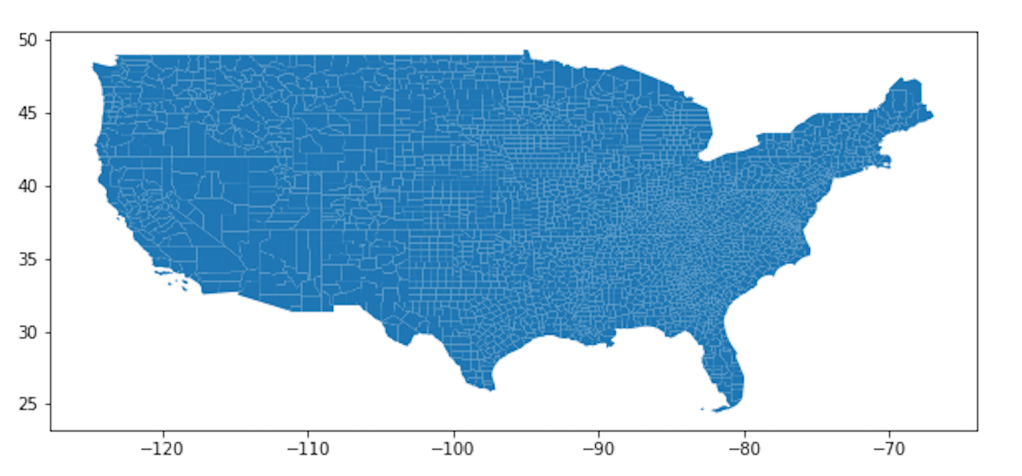
Let’s take a first look at the Shapefile:

map_df_CONUS.plot(figsize = (10,10))
plt.show()

You can see all the counties in the contiguous United States.

Merging the Shapefile and Dataset

The Shapefile and the Dataset need to have a column in common in order to match the data to map. I decided to match by FIPS codes. To create the FIPS codes in the Shapefile:

map_df_CONUS['FIPS'] = map_df_CONUS.STATEFP + map_df_CONUS.COUNTYFP

To create the FIPS codes in the county data (Note: I filtered the data to only the year 2018 for simplicity):

max_temp_2018_df.State_Code = max_temp_2018_df.State_Code.apply(lambda x : "{0:0=2d}".format(x))

max_temp_2018_df.Division_Number = max_temp_2018_df.Division_Number.apply(lambda x : "{0:0=3d}".format(x))

max_temp_2018_df['FIPS'] = max_temp_2018_df.State_Code + max_temp_2018_df.Division_Number

Finally, to merge the Shapefile and Dataset:

merged_df = map_df_CONUS.merge(max_temp_2018_df, left_on = 'FIPS', right_on = 'FIPS', how = 'left')

Mapping (Finally!)

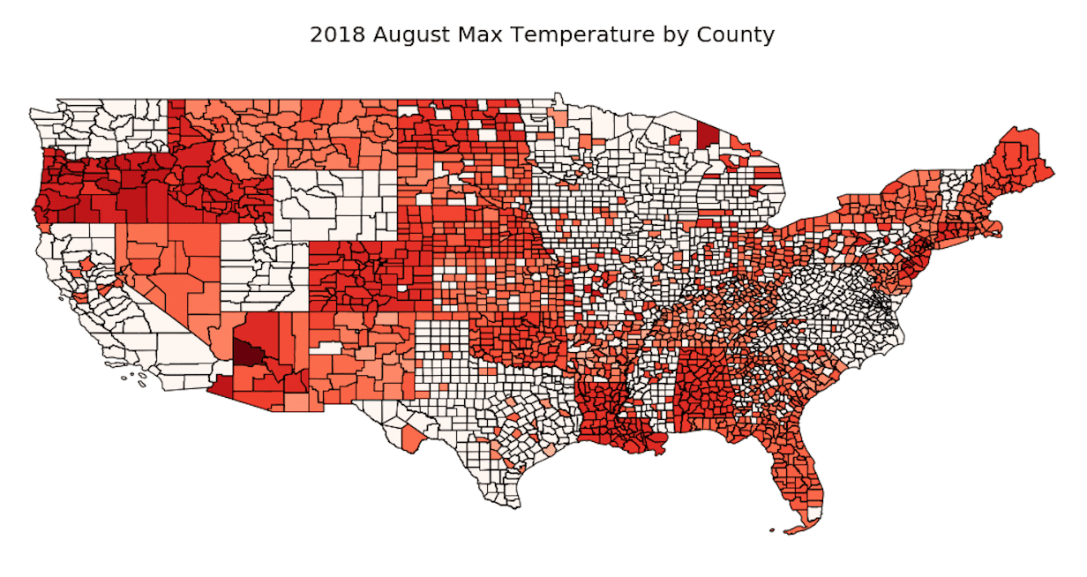
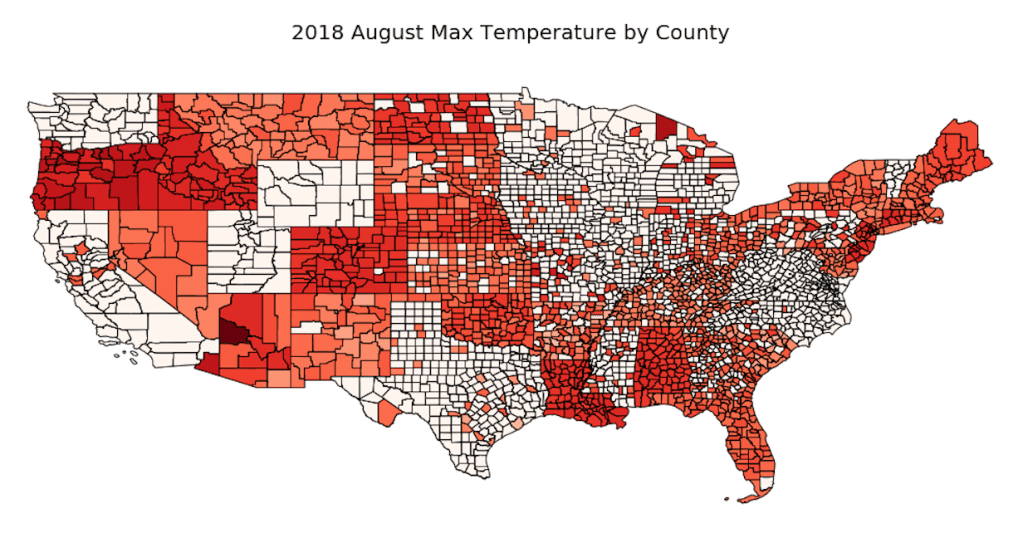
Finally, we get to map the data to the Shapefile. I used the geoplot.choropleth method to map the maximum temperature data on a scale. The darker the red, the hotter the maximum temperature was for a given county. The map was created for August 2018.

geoplot.choropleth(
    merged_df, hue = merged_df.Aug,
    cmap='Reds', figsize=(20, 20))
plt.title('2018 August Max Temperature by County', fontsize = 20)
plt.show()

Yay!

You can see we were able to plot the data on the county map of the US! I hope this demonstration helps!

Problems

Unfortunately you can see there is missing data. Additionally, I was able to generate a legend, but it would show up as about twice the size of the map itself, so I decided to remove it.